Guide · Getting started
How to start a private boat charter business
Birthdays, bachelorette parties and company outings on the water. Which boat to buy, which Coast Guard rules apply, what one cruise has to earn, and how to handle drinks, payments, tips, changes and the weather.
By Iwan de Ploeg17 min read

In this article
- What to sell, and who books it
- A boat for rain, sun and wind
- Coast Guard rules: check before you buy
- Finding your captain
- The math for one cruise
- Drinks, food and BYOB
- Down payments, holds and changes
- Gratuity, and what all-in means
- Your weather and cancellation policy
- Where groups book
- More kinds of cruises with one boat
- The day itself
- Your first season
- Frequently asked questions about starting a private boat charter business
It’s a Saturday evening in June, and twelve friends are walking down to your dock for a birthday sunset cruise. Their drinks are already in your coolers, on your ice. The snacks from the caterer are on board, and your captain knows two of the guests can’t have nuts. The organizer booked back in March for nine people. By June it was twelve, and nobody had to call twice to make that happen.
This guide is about getting to that Saturday. It’s for anyone who wants to start a private boat charter business: one boat with a captain, booked as a whole by one person for their group. Some people call it a party boat, others a boat rental with captain or a private boat tour. The business is the same. Iwan wrote it. He has rented boats to groups in Utrecht since 2006, and since 2018 he has run three electric boats with a captain, each for 42 people.
Would you rather rent out boats people drive themselves? Then read how to start a boat rental business. A lot of that guide applies here too.
What to sell, and who books it
Many groups that book a boat have something to celebrate. On Getmyboat, birthdays were the top reason to rent a boat in 2023, followed by business functions and weddings (Getmyboat). Bachelorette parties and proposals were also in the top ten.

So think of friends and family celebrating a birthday, often with a cake that has to make it on board in one piece. Think of bachelorette and bachelor parties with their own playlist and a lot of photos. Office managers book company outings weeks in advance, usually with food. Couples cruise between the ceremony and the dinner, or book a quiet sunset for a proposal. And families on vacation just want a private cruise at a time that suits them.
Every group has one person who books and pays for everyone. That’s the organizer. You talk to them, and they hear about every change.
Start with one cruise of one length. Two hours works well for most groups. It’s long enough for a toast and the view, and short enough to fit before dinner. On bigger lakes, four hours is common. Once you’re running, your customers will tell you what to add next, whether that’s a sunset cruise, a longer trip with a swim stop or a cruise with dinner.
In the US, a boat tour often means a sightseeing cruise that sells single seats to strangers. That’s a different business, with tickets. Tickets per seat are coming to Let’s Book, but this guide is about the boat one group books for itself.
A boat for rain, sun and wind
Few businesses depend on the weather like this one. A sunny Saturday sells itself, but a gray Tuesday in May takes some work.
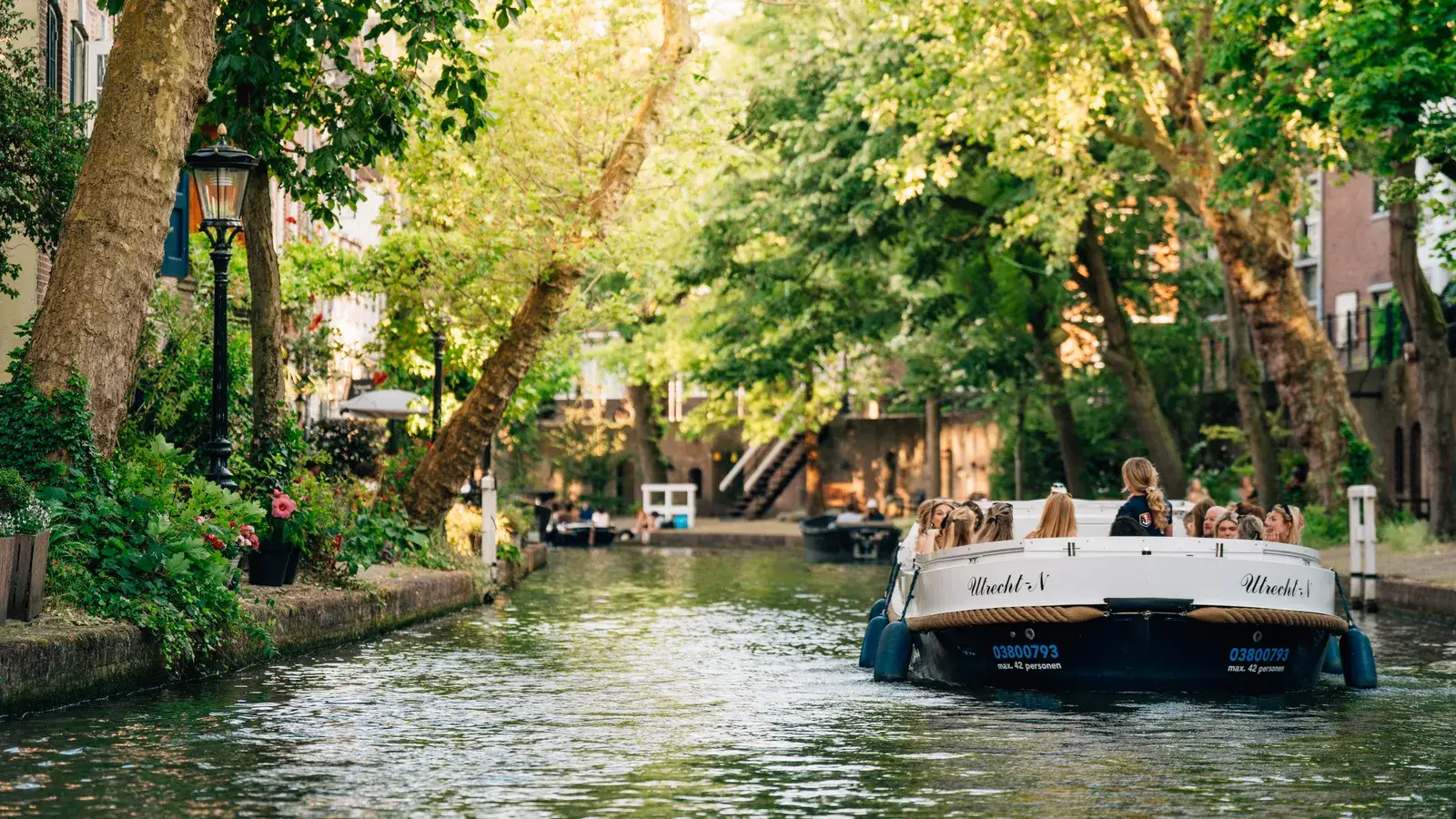
Open boats feel great, and groups love the sun and the view all around. Up north, though, a shower can ruin the day. In Texas or Florida it’s the afternoon sun that does it. So choose a boat you can cover, ideally with a canopy and side panels that zip shut. A cover turns a cancellation into a cruise in the rain or in the shade, and that’s revenue you keep. Say on your website that the boat can be covered, because groups booking months ahead want to know.
Then think about size. Count the groups you want to sell to, from six friends to twenty wedding guests. The number of guests also decides which Coast Guard rules apply to you, so read the next part before you buy. For the rest, our article on choosing the right boats will help.
Coast Guard rules: check before you buy
This is the mistake that can cost a new charter operator the most. The boat is beautiful and the first groups are happy. Then the Coast Guard stops you because your paperwork isn’t right.
The number of paying guests decides which rules apply to the boat and to your captain:
- Up to six passengers. A boat under 100 gross tons may carry up to six paying passengers without a Coast Guard inspection (46 U.S.C. 2101). Your captain still needs a Coast Guard license, the OUPV or “six-pack” (46 CFR 11.467).
- From the seventh passenger. The boat needs a Certificate of Inspection (46 CFR 175.110), and your captain a Master license (Mariners Learning System).
- Drug testing. Any captain who needs a Coast Guard license must be in a random drug testing program, also on a boat with six passengers (46 CFR 16.230).
- A bareboat charter. Some owners charter the boat without crew and let the group hire its own captain. Then an inspection starts above twelve passengers, and the person who charters the boat doesn’t count as one (46 CFR 175.110, 46 U.S.C. 2101).
- Florida. A business that provides a licensed captain isn’t a livery, so it needs no livery permit (Fla. Stat. 327.54).
The Coast Guard does enforce this. In 2025 it stopped three illegal charters near Miami, partly for missing drug programs and uncredentialed crew. Fines for an illegal passenger-for-hire operation can top $69,000 (WSVN).
So ask before you buy. Visit the Coast Guard office for your area and your state’s boating agency. Tell them about your dock, your route and your boat, and ask what you need to carry paying guests. Check what your marina lease allows, and ask other captains what it took them. Get the answers in writing. Our boat rental guide has more on the US rules for self-drive rental.
Finding your captain
What a group talks about afterwards is rarely the boat. It’s almost always the person at the helm. A good captain drives safely and keeps an eye on the group. They also know when to tell a story and when to let the party run.
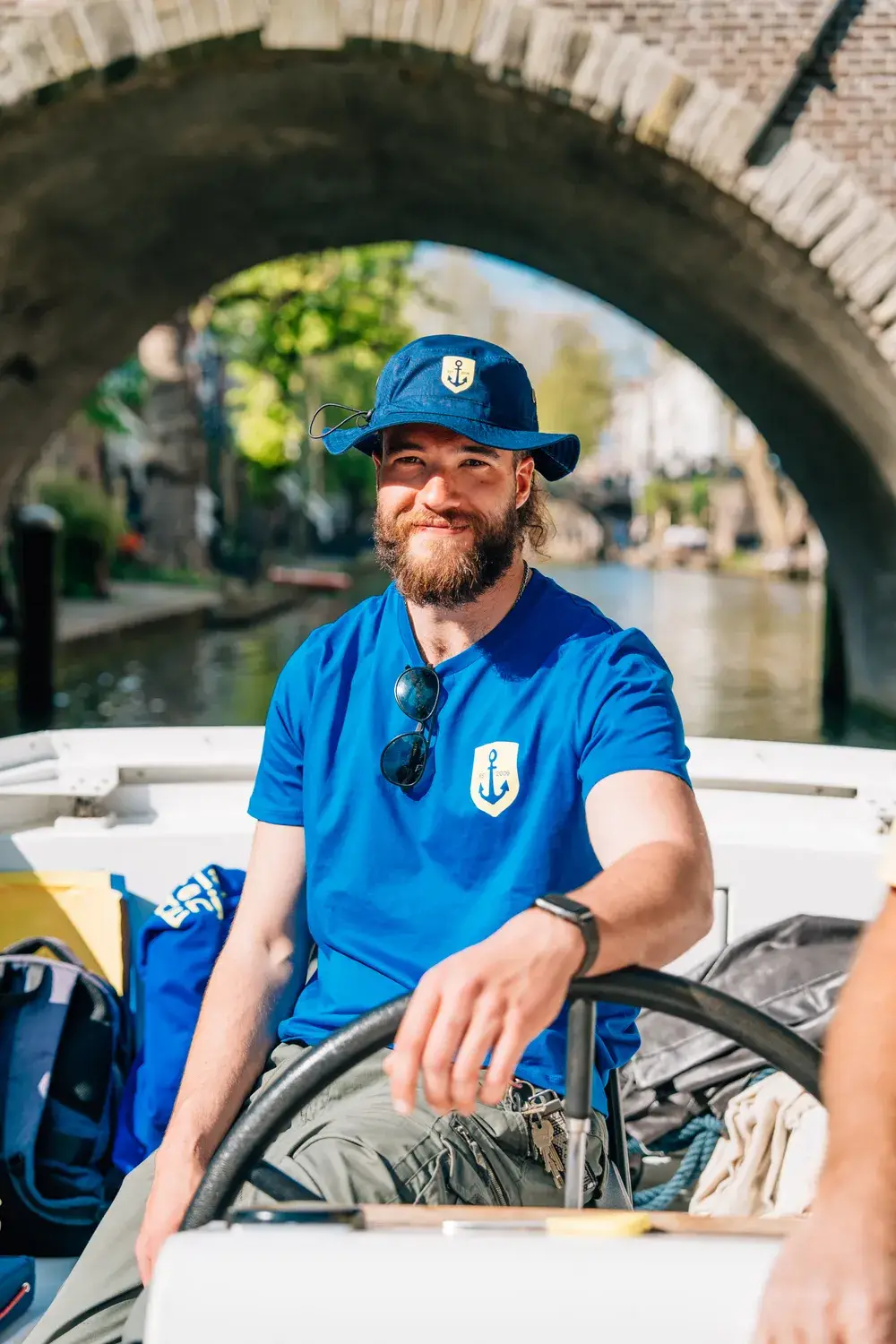
If you drive the boat yourself, you’re the first captain, with your own license. If the boat is booked every Saturday in June, find a second captain before the season starts. Otherwise one sick day can cost you a wedding. A hired captain often costs around $100 to $150 an hour.
Write down eight to ten points along your route, with a short fact or story for each. Your captains can tell them in their own words. That way every group gets the same good cruise, whoever is at the helm.
The math for one cruise
A rental boat earns by the hour, and a charter boat earns by the cruise. Before you buy, work out what one cruise has to bring in. You need three numbers for that.
What a cruise brings in. This is the price the group pays for the boat, plus whatever food or packages you sell on top. Leave out the gratuity, because it goes to your crew. Leave out sales tax too, where your state charges it.
What a cruise costs. Think of your captain and crew, fuel and cleaning. The fees for your booking software and payments count as well. With Let’s Book Standard that’s $30 a month plus 2.5% per booking, plus the Stripe fee.
What the year costs. This covers the boat itself, spread over the years you’ll use it. Insurance, the slip, winter storage and maintenance come on top. You pay these whether the boat goes out or not.
Divide the cost of the year by what one cruise leaves you. That’s the number of cruises you need before the boat earns you anything.
Here’s an example with round numbers. A boat for twelve guests charges $700 for a two-hour sunset cruise, and the captain, a deckhand, fuel, cleaning and fees cost $350. Each cruise then leaves you $350. If the year costs $35,000, you need 100 cruises. At two cruises a day, that’s fifty days on which both go out.
Is $700 realistic? In Charleston, a two-hour harbor cruise for up to twelve people runs around $700 to $750. Many charters also charge more on weekends. On popular lakes, a four-hour party cruise can go from $800 on a weekday to $1,300 on a Saturday.
Now hold your number against your season. Count only the days with good weather. Company outings can fill weekdays, while birthdays and bachelorette parties fill the weekends. With a boat you can cover, a rainy day counts too.
In Let’s Book a cruise can have one price for the whole boat, or a price that grows with the group. Our article on how to price a day charter goes through the parts of a price. It’s written for the Mediterranean, but the parts are the same.
Drinks, food and BYOB
Many US charters are BYOB. Guests of 21 and over bring their own drinks and show a valid ID. Cans and plastic are usually fine, while glass bottles are not. Some charters supply cooler space and ice, others ask guests to bring their own. Put your rules on your website, so guests know who may drink, what may come on board and what you supply.

You don’t have to cook. Work with a caterer near your dock and sell their platters or dinners as packages with your cruise. The real work is then keeping track of it all. You need to know who ordered what, for how many people and with which dietary needs. If that list is wrong, a group ends up without its vegan platter on a Saturday night.
In Let’s Book the organizer adds packages in the booking form as add-ons, and the price can grow with the size of the group. You can add your own questions to the form, about allergies or dietary needs, and the answers stay with the booking. On the day, you print or filter the order list, or export it to Excel for your caterer. The allergy answers stay on the booking itself, so send those along too.
Down payments, holds and changes
A charter is a large amount, often booked months ahead. Few groups want to pay it all in March for a cruise in June. That’s why many charters take a down payment, often called a deposit, of 25% to 50% when the group books. The rest is due before the trip or at the start of the charter.
In Let’s Book you can have the organizer pay a down payment when they book, as a percentage or a fixed amount you set. Before the trip, you send a payment link for the rest by email or text.
Many groups also want to hold a date before they pay, while they check with everyone. Holds that wait for your approval are coming to Let’s Book. Until then, you can enter the booking yourself and send a payment link with a due date you pick. The date is then on your planning while the group decides.
Then come the changes, because there are always changes. The group grows from nine to twelve, somebody turns out to be gluten-free, or the snacks become a dinner. In Let’s Book you can change the date, the time, the boat or the number of guests after booking. The organizer then gets an email showing exactly what changed. You can also add a package the organizer couldn’t order themselves. That change doesn’t send an email, so let the organizer know yourself. If there’s more to pay, send a payment link.
Keep the head count honest. Children and infants count toward your limit, and so do DJs, bartenders and photographers. On a boat licensed for six, a seventh person changes the rules.
Need a signed waiver? Then the organizer signs it for the group, or every guest signs their own on their phone. That runs through your own WaiverForever account, and the booking shows who has signed. See waivers and rental contracts.
Gratuity, and what all-in means
American groups expect to tip the captain and crew, and charters handle it in one of three ways:
- Added at booking. A gratuity of around 18%, sometimes next to the sales tax.
- Built into the price. A 20% gratuity in an all-in price that also covers the captain, fuel and tax.
- Paid on the day. 20% in cash to the captain.
Pick one and say it on your website, right next to the price. “All-in” only helps when you say what’s in it. Then put the same line in your confirmation email, which you can edit in Let’s Book.
Your weather and cancellation policy
Because the weather decides so much, your policy needs to say what happens when it turns. Write it before the season and put it where the organizer reads it before booking.
Write down:
- Your limits. With covered areas you can cruise rain or shine, and the captain only calls it off for lightning or high winds.
- Who decides, and when. Some captains make the call two hours before departure, others wait until the morning of the trip.
- Storms. On the Atlantic and Gulf coasts, hurricane season runs from June 1 to November 30 (NOAA). Say what happens to a booking when a storm is coming.
- What the group gets. A new date first, a refund second.
- When the group cancels. For example, free cancellation until 30 days out, and part of the price after that.
In Let’s Book each customer type has its own cancellation terms, so a company and a family can have different ones. You decide whether customers can cancel online themselves, and until when. When you settle a cancellation, you keep your fee and refund the rest. If you have to move or cancel a cruise for wind, a storm or a sick captain, the organizer gets an email about what changed.
Where groups book
Groups find you in more than one place, and each one should be easy.
Your own website comes first. The Let’s Book booking form runs on your site, where a group picks a date, a cruise and packages. They pay in full or just the down payment, even at 11 p.m. when you’re long off the clock.
Older groups and companies still like to call or email. You enter those bookings in Let’s Book yourself, on the same planning, and send a payment link.
Event and wedding planners can bring you a lot of groups each year, so make them partners. In Let’s Book a partner books through a link of its own, at the rates you agree on. That lets you give planners a better price. You can also give a planner its own customer type that books without paying upfront, and send an invoice afterwards. At the end of the month you see what each partner booked.
Hotel desks get asked about things to do on the water all the time. Give the hotel its own link, or a batch of discount codes with one code per guest.
Marketplaces like Getmyboat and Boatsetter bring groups too, for a share of each booking. Our boat rental guide compares their fees.
More kinds of cruises with one boat
Once your cruises sell, you’ll want to do more with the same boat. Think of a sunset cruise, a proposal for two, a bachelorette package or a weekday lunch cruise for companies. Each kind has its own price, length and rules. Between two cruises the boat also has to be ready, with the coolers emptied and the canopy up or down.
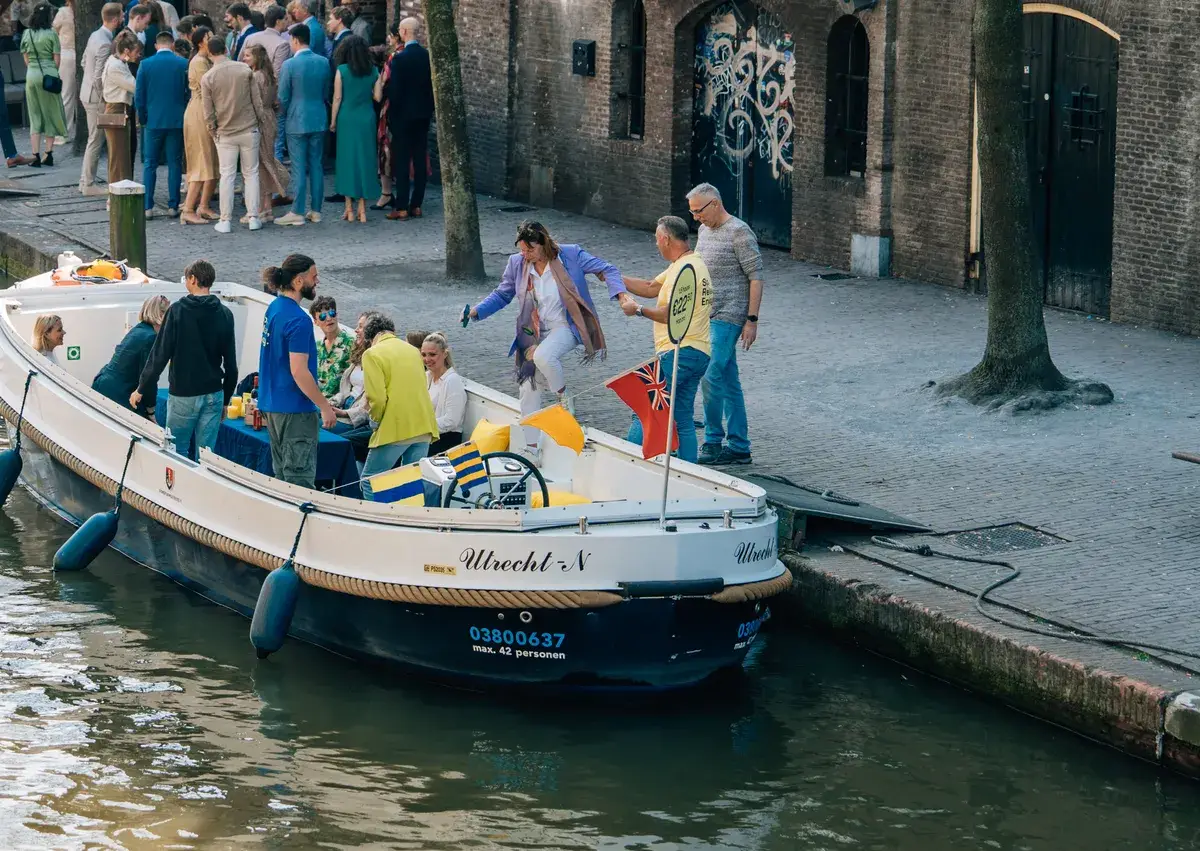
That’s where you need a planning you can trust. In Let’s Book each cruise can be its own time slot, with its own times and price. Buffer time keeps a few minutes free before and after each cruise, so the boat is ready for the next group. Every booking sits on one planning, and once a boat is booked, nobody else can book it online for that time. Read more about Let’s Book for private charters.
Keep in mind that the sunset moves through the year. In Chicago the sun set at 8:30 p.m. on June 21, 2026, and at 6:04 p.m. on October 19 (sunrise-sunset.org for June 21 and October 19). In Let’s Book you set your times per season, so your sunset cruise moves along with the sun.
The day itself
A good cruise starts before the group steps aboard.

- The meeting point. Your guests have never been to your dock, so put up a flag or a sign. The confirmation email in Let’s Book includes the address with a Google Maps link, and you can add how to find the boat.
- The welcome. Greet the organizer by name and show the group where the life jackets are. Keep the safety briefing short and clear.
- The packages. Before you leave the dock, check the order list against what’s on board.
- The goodbye. Thank the group and tell the organizer where to leave a review.
The day after the cruise, Let’s Book sends a follow-up email on its own. Put the link to your review page in it. Reviews matter: in 2019, 72% of Tripadvisor users said they always or often read reviews before deciding where to stay, eat or what to do (Tripadvisor).
Your first season
The month-by-month calendar in our boat rental guide works for charters too. Here’s what’s different:

| When | What you do for your charters |
|---|---|
| Fall and winter | Ask the Coast Guard and your state what you need, and get it in writing. Choose a boat with a cover or shade. Find your captain. |
| Early spring | Set your cruises, prices and packages. Agree on the menu with your caterer. Write your weather, cancellation and gratuity policy. |
| Spring | Visit event planners, wedding planners and hotels, and give each one a partner link. Company outings for June get booked now. |
| The month before you open | Run a cruise for friends and family, booked through your own booking form. Fix whatever trips them up. |
| Summer | Watch which days and cruises sell out first. That’s where your next cruise goes. |
| After the season | Read every review again. Ask your best partners what they need next year. |
Running year-round in Florida or Southern California? Then stretch the calendar to fit.
Frequently asked questions about starting a private boat charter business
How much does it cost to start a boat charter business?
Most of the money goes into the boat. On top of that come the captain’s license or wages, insurance and a slip. If you carry more than six people, add whatever it takes to pass the Coast Guard inspection. You’ll also need a website and enough cash to get through the months before your first season pays. Start with one boat and one cruise, and grow from what sells.
Is a private boat charter business profitable?
It is when you sell enough cruises to cover the year’s costs, with room to spare. Work out how many that takes, as in the example above. Then hold it against the days your season really has.
Do you need a captain’s license to run boat charters?
On most US waters, yes. For paying guests your captain needs a Coast Guard license, which is the OUPV or six-pack for up to six passengers. From the seventh passenger, the boat needs a Certificate of Inspection and the captain a Master license. Ask the Coast Guard office for your area and your state before you buy a boat.
What’s the difference between a boat tour and a private charter?
On a private charter, one group books the whole boat. On a boat tour, people usually buy single seats on a fixed departure, next to strangers. Let’s Book handles private charters today, and tickets per seat are coming soon.
Do charter guests tip the captain?
Usually, yes. Some charters add around 18% at booking or build 20% into the price, while others ask for 20% in cash on the day. Say on your website which one you do, so nobody is surprised at the dock.
Should a group pay everything when they book?
It doesn’t have to. For large amounts, a down payment at booking and the rest before the cruise works well. Write down when the rest is due and what happens when the group cancels.
What should a charter do when the weather is bad?
Decide before the season at which wind, storm or warning you stay in, and who makes that call. Then say whether the group gets a new date or their money back. With a boat you can cover, light rain won’t stop you.
Can the same boat do charters and self-drive rentals?
Yes, as long as your permits allow both. A boat can go out as a rental during the day and with a captain in the evening. In Let’s Book both sit on one planning, with buffer time in between.
Iwan, Berend and Robbe, our support team


Booking software for boat rental, tours and charters.
This article is from Let's Book, the software that lets your customers book and pay on your own website, and puts every boat on one planning. Made by people who rented out boats themselves.
Carry on reading
All articles
FareHarbor pricing and fees, worked out for boat rentals
What FareHarbor costs a boat rental: the booking fee your customer pays, card processing, refunds and the contract, worked out on pontoon and charter prices.

Best boat rental software in 2026: prices and fees compared
Twelve boat rental tools side by side: monthly prices, booking fees and who pays them, free and pay-as-you-go plans, deposits and waivers.
How to start a boat club
How to start a boat club in eight steps, from the first plan to your first members: the money, the boats, the location, the membership and the rules.