Guide
How to choose the right boats for your boat rental business
Start with your water and the people you want on it. Then look at what each kind of boat costs you, earns you and asks of your customers.
Updated 4 min readBy Iwan de Ploeg
Your water decides a lot. A canal through town asks for a different boat than a big lake or the coast. So before you look at boats, picture a Saturday in July at your dock, and the people who walk up: a family with two kids, a group of friends with a cooler, a couple who wants a quiet evening. Pick the boat they would book.
Ask around, too. The tourist office, the campground down the road and the nearest marina all know what visitors ask for. Then you make three choices: the kind of boat, the mix of your first fleet, and whether to offer a skipper.
Three kinds of boats

There are three kinds to choose from: boats people row or pedal, sailboats, and motorboats, electric or with a combustion engine.
Rowboats
A rowboat suits a couple or a small group who want a slow hour on the water, with no hurry and no destination. It costs little to buy and keep, and earns little per hour. Rowboats pay off when you have several of them and a steady stream of walk-ins, at a park lake or next to a campground.
Kayaks and SUP boards work best as an extra next to a bigger boat. The customer takes one along on the same booking. See the add-ons that sell.
Sailboats
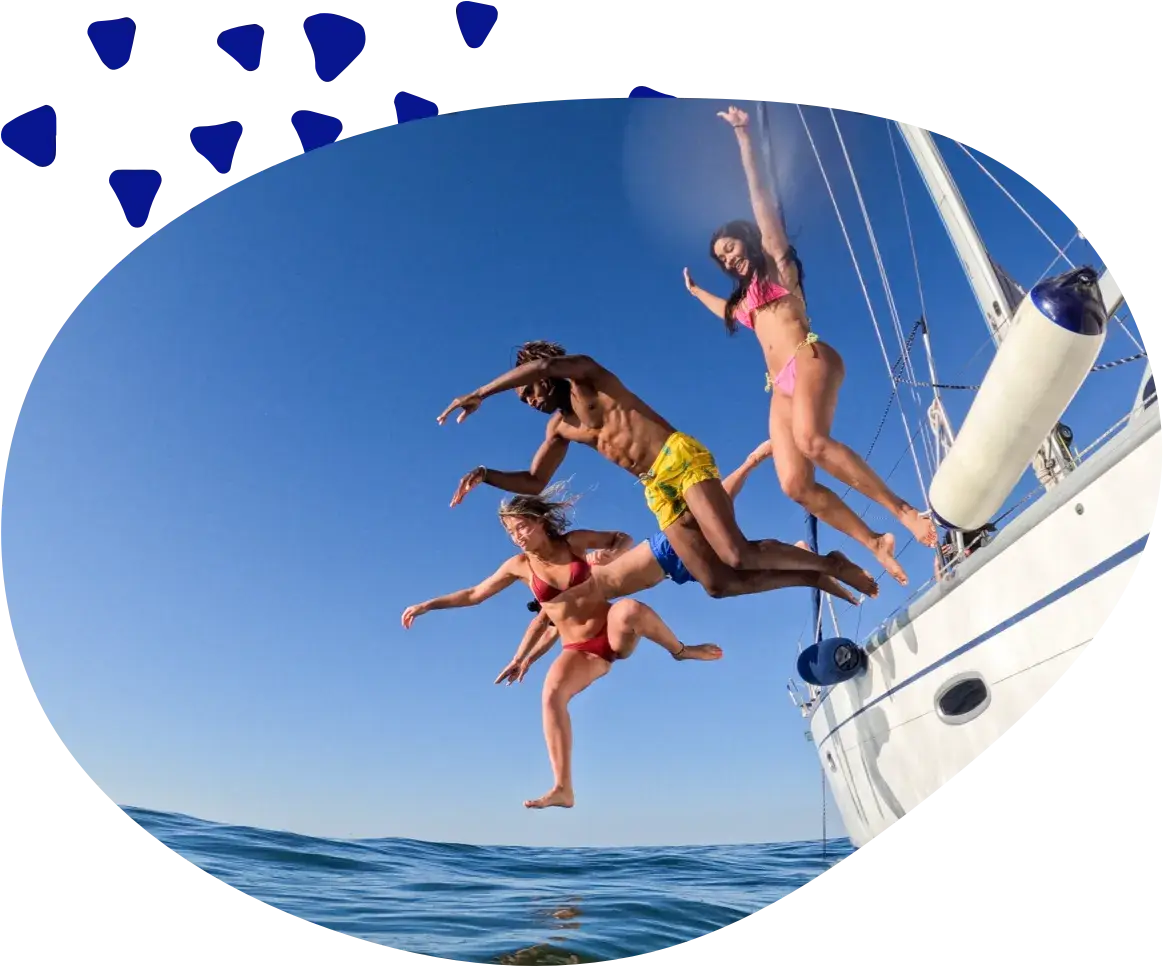
A sailboat costs more to buy and needs a customer who can sail, so fewer people can book it. Those who do often stay longer: a full day, a weekend, or a week-long vacation on the water. The sails, the rigging and the mast need regular care, so count that cost before you buy. With a skipper on board, you can rent a sailboat to people who have never sailed.
Motorboats
Pontoon boats and small electric boats are motorboats too, with room for a family or a group of friends. Most first-time customers can handle a small motorboat after a short explanation at the dock. People rent one for a few hours, to fish, to picnic on the water or to see the town. Because the trips are short, the same boat can go out several times on a summer day. Leave a gap between two rentals to clean the boat and check it. In Let’s Book that gap is the buffer time, and you set it yourself. Read how to schedule boat rentals.
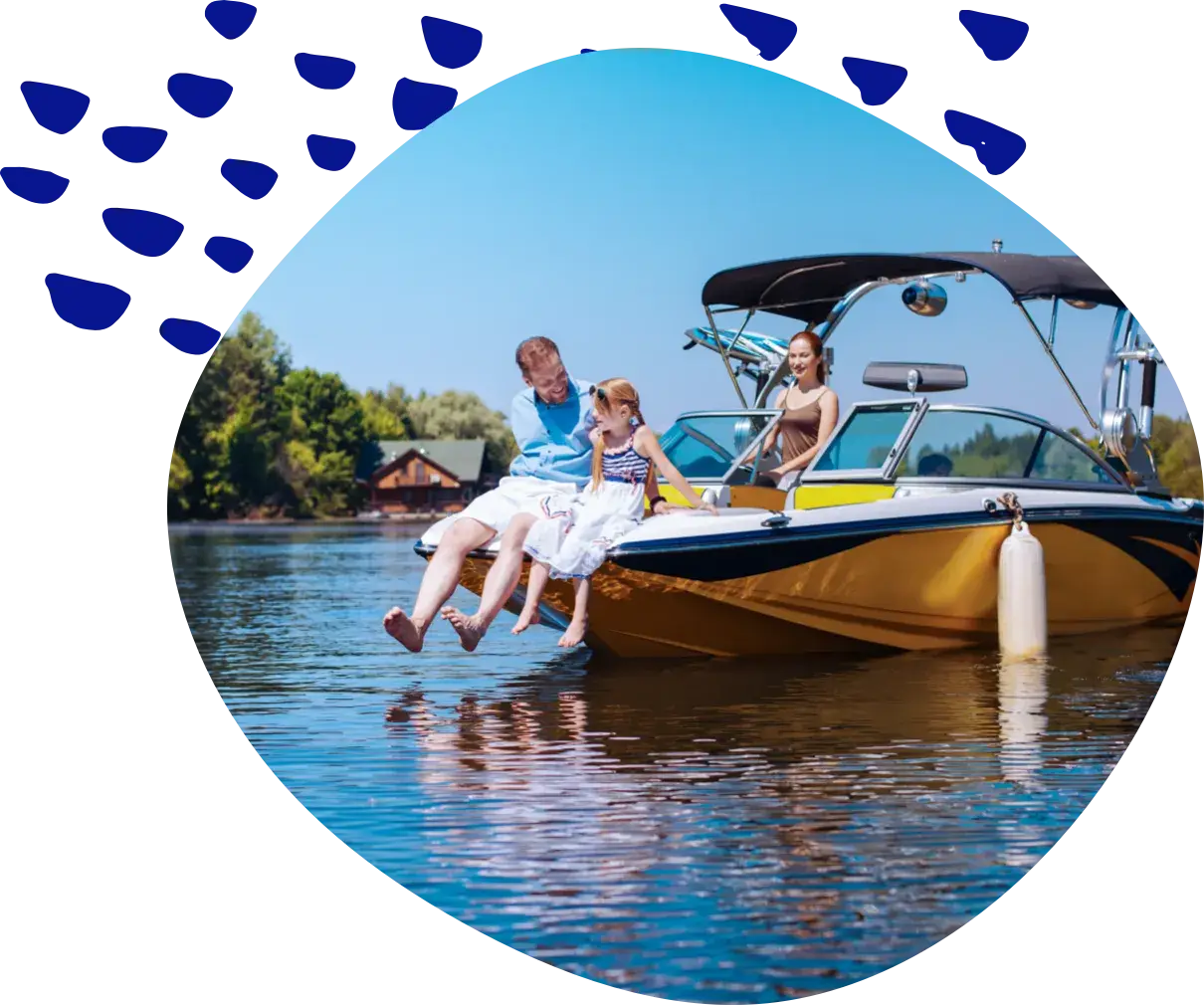
Check which boats a customer may drive without a license on your water. In many places a small, slow boat needs none, and that decides who can book.
Electric boats
If you buy motorboats, we’d look at electric first. Your customers hear each other talk, and the birds along the bank. There are no exhaust fumes and no smell of fuel on board. You charge the boat at the dock overnight, so there’s no fuel to buy, store or top up. Some cities limit combustion engines on their inner waters, so check the local rules before you buy.
Plan a day of rentals around one charge, or charge between trips. The article on electrifying your fleet goes into the details, and electric boat rental shows what Let’s Book does for an electric fleet.
Putting your first fleet together
With one to three boats, start with the boat most of your customers will ask for. Buy two of the same model if you can, so one can stand in when the other has a problem. In Let’s Book the customer books a boat model, and you pick which boat goes out shortly before departure.
For each boat, count the purchase, the mooring, the insurance, the maintenance, the winter storage, and the fuel or charging. A local marina or a boat dealer can tell you what’s realistic for your area. How to start a boat rental business works out what one boat must earn. Add a different kind of boat when customers start asking for it, for example a bigger open motorboat for groups.
With or without a skipper
A skipper lets you rent a boat to people who can’t or don’t want to drive it themselves, and you charge more for the trip. The skipper costs wages and has to be on the schedule. Many operators offer both: the boat on its own, and a skipper as an extra. In Let’s Book the customer adds the skipper as an add-on when they book. Let’s Book doesn’t plan your crew’s shifts, so you keep the skipper’s schedule yourself. When the skipper is fully booked, you set the add-on to sold out.
Once you know your boats, the next steps are your prices and your website. Read about the pricing model for your boat rental and how to build your boat rental website.
Booking software for boat rental, tours and charters.
This article is from Let's Book, the software that lets your customers book and pay on your own website, and puts every boat on one planning. Made by people who rented out boats themselves.
Carry on reading
How to start a boat club
How to start a boat club in eight steps, from the first plan to your first members: the money, the boats, the location, the membership and the rules.

Santos and Let's Book launch a starter kit for boat rentals
A starter kit for a new boat rental: the Santos One electric boat, ready to connect to Let's Book, and bookings that start before the boat arrives.

Advantages of boat rental automation
What automation actually changes in a boat rental business: the bookings, the payments, the maintenance, the messages and the numbers.