Guide
How to start a boat club
In a boat club, members pay a fee and take out your boats within the rules you set. They get the water without the upkeep, and you know your income before the first sunny weekend. Eight steps take you from the first plan to your first members.
Updated 5 min readBy Iwan de Ploeg
1. Start with a plan
A boat club starts on paper, long before the first boat. Answer five questions.

Who is it for? Couples, families, retirees, or tourists who come back every summer. A family wants a stable boat on Sunday afternoon, a retiree a quiet weekday morning.
How big? A small club at one dock, or one that opens more locations later.
What do members get? How often they may book, how far ahead, and whether there are membership levels.
What does it cost, and what does it bring in? Up front: boats, berths, your website, your name and logo. Every year: insurance, maintenance and staff. Every month: your booking software. Set that against what each membership brings in.
What do you promise? Write it in one sentence. You’ll use it on your website, and when a member asks why a rule exists.
Tip: Keep the answers in one document. A bank, a marina and your first members will all ask the same questions.
2. Arrange the money
You don’t need millions. You do need to know what goes out before the first member pays.

Boats. Leasing, or a deal with a dealer, costs less at the start than buying.
Berths and the dock. Mooring fees, storage and power.
Your website and booking software. This is where a member books a boat on a Tuesday night. If that takes three phone calls, they won’t renew. Read our step-by-step guide to your boat rental website.
The launch. Trial trips, an open day at the dock, an ad in the local paper.
3. Choose the boats
Easy to handle. Most members should take one out after a short briefing. Look for a stable hull, a clear layout and steering that responds right away.
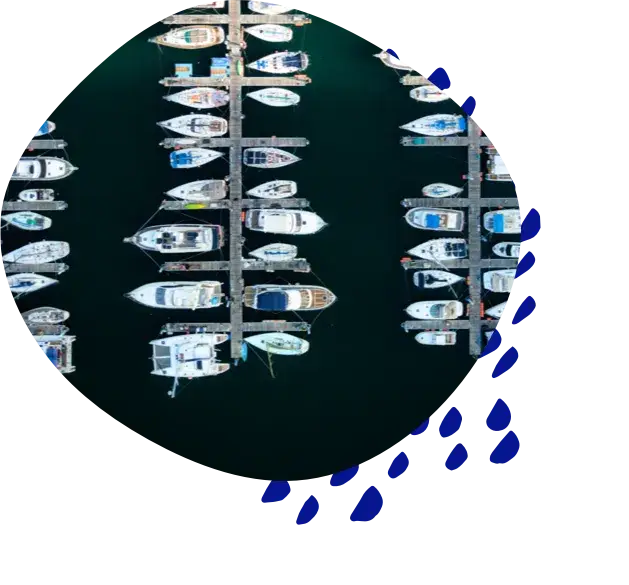
Reliable. Proven brands and simple engines mean fewer calls from the middle of the lake.
Well kept. Members want it to feel like their own boat. A clean deck and dry cushions do more than any brochure.
The same few models. Two or three models are easier to maintain, to explain and to book.
For larger sailboats or overnight trips, also plan the berths on board, the galley and the briefing before departure.
4. Find the right location
Easy to reach. By car, bike and public transportation, with parking close to the dock.

Good water. Routes worth sailing, and a place to stop for lunch.
Facilities. Restrooms, storage, and charging points if your boats are electric.
A marina can be a good partner. You bring the members, and they bring the dock and the facilities.
5. Put together the membership
Membership levels. For example Weekday, Anytime and Premium.
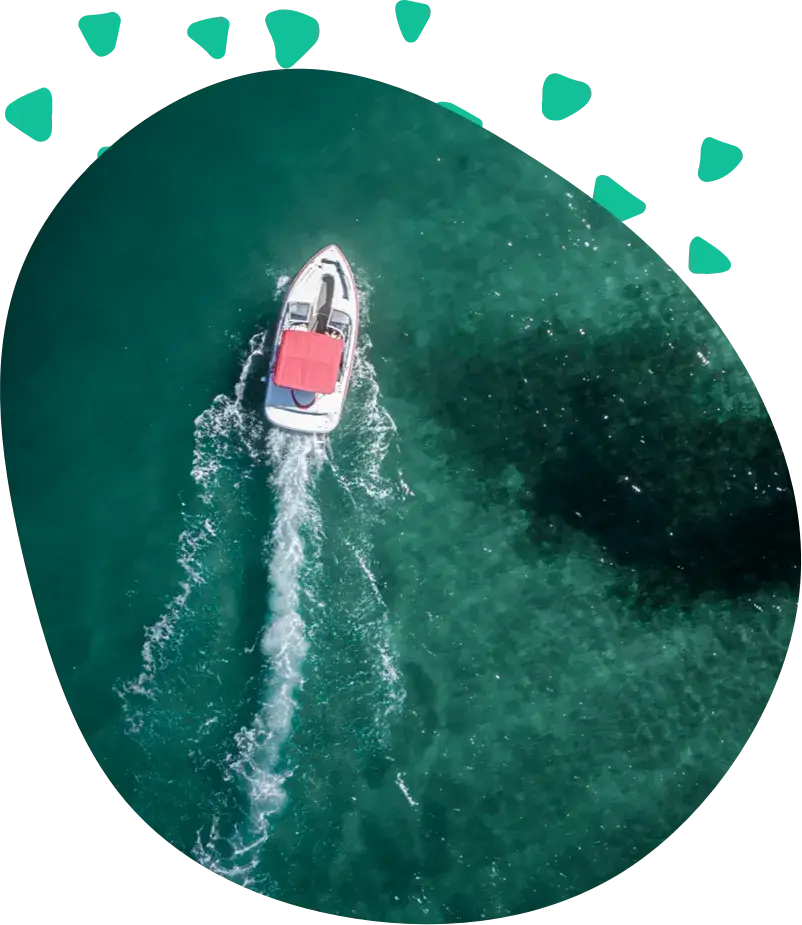
Price. Clear, and in line with how much a member sails.
Extras. Bringing a guest, a lesson, your other locations, a barbecue at the dock.
Marketing. Word of mouth at the dock, reviews from members, a trial trip.
“Sail every weekday for one monthly fee” sells better than a page of conditions. The fine print goes into your booking rules. For more ways to set up a membership, from a member rate to a ride package, read membership systems for your boat rental.
6. Set the booking rules
With ten boats or thirty, you want to know who books what, and when. Your booking software should:
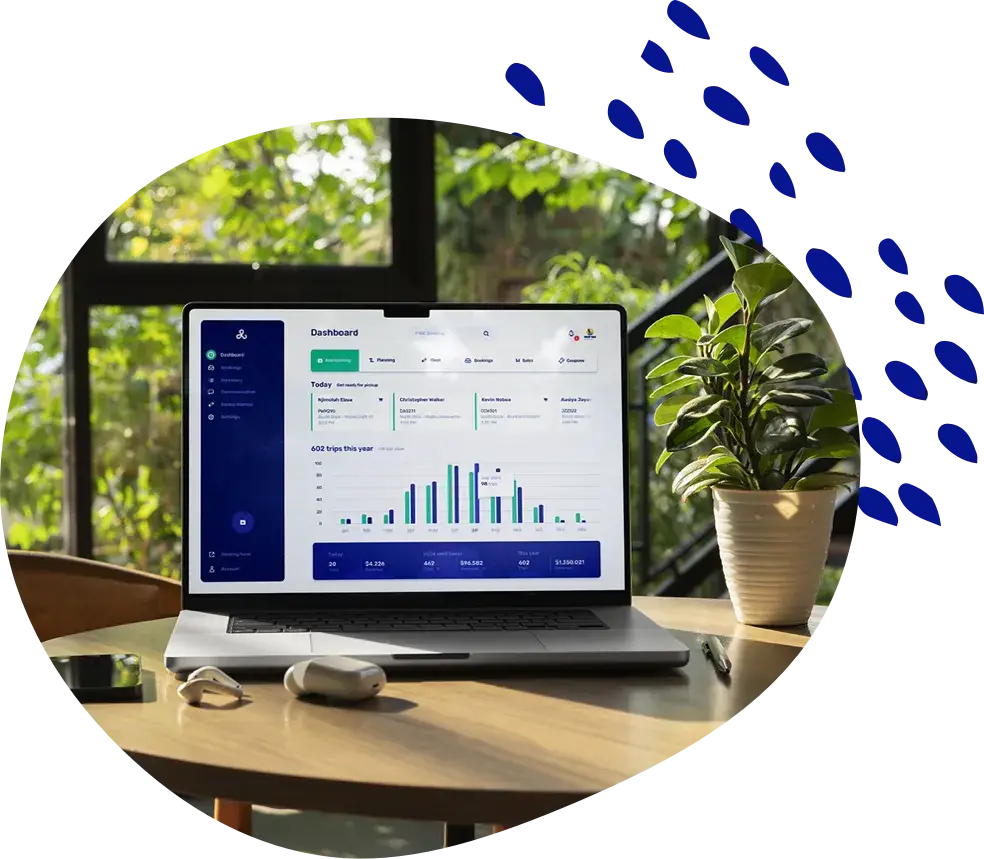
- handle several membership levels
- hold rules like weekdays only, or at most three bookings ahead
- work across several locations
- take a boat out of service for maintenance
- close a holiday for bookings
- show what your fleet brings in
Let’s Book does this for boat clubs. Each membership level is a customer type with its own prices, boats and rules. A rule counts the bookings a member already has, so a second Saturday won’t go through and nobody has to check. Members book through a link where they log in first, so the rules of their own level apply. You keep your member list and collect the fees in your own membership software. In Let’s Book you link each member to the rates and booking rules of their level.
Members book a boat model, and you pick the actual boat shortly before departure. So when a boat is in for repairs, the member gets another one of the same model. With connected boats, a member picks and starts the boat on their own phone, even when nobody is at the dock.
Is your rule unusual? Write it yourself with AND and OR, or tell us and we’ll set it up with you.
7. Build a community
Members stay when they feel they belong.

- Have a drink at the dock when the season starts.
- Give every new member a first lesson, so they feel sure at the wheel.
- Share routes and member stories in your newsletter.
- Let members suggest the next boat.
8. Grow step by step
Once the club runs well, you can:
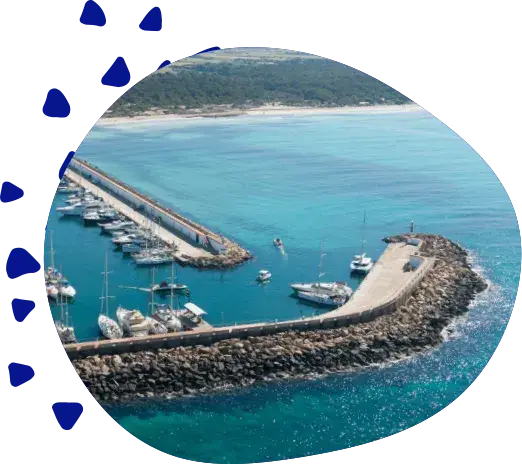
- add boats where the Saturdays are full
- add a membership level
- team up with another club, so members sail from more places
- open a second harbor
For a boat club, we work out a price together, and we set up your club rules in Let’s Book with you, for free.
Booking software for boat rental, tours and charters.
This article is from Let's Book, the software that lets your customers book and pay on your own website, and puts every boat on one planning. Made by people who rented out boats themselves.
Carry on reading

Santos and Let's Book launch a starter kit for boat rentals
A starter kit for a new boat rental: the Santos One electric boat, ready to connect to Let's Book, and bookings that start before the boat arrives.

Advantages of boat rental automation
What automation actually changes in a boat rental business: the bookings, the payments, the maintenance, the messages and the numbers.
What to look for when you switch to electric boats
Electric boats are quiet, need no fuel runs and suit keyless rental. What they mean for your neighbors, your customers and your day at the dock.