Guide
9 marketing ideas to rent out the same boat more often
The same boat can go out with locals on the weekend, a company team midweek and tourists in the vacation season. Here are nine groups of customers, what each one wants from the day, and how to reach them.
Updated 10 min readBy Iwan de Ploeg
A Tuesday in May, and your electric boat sits at the dock all day. Then a Saturday in July comes, and three families want the same boat at two o’clock. Every operator knows that swing between busy and quiet.
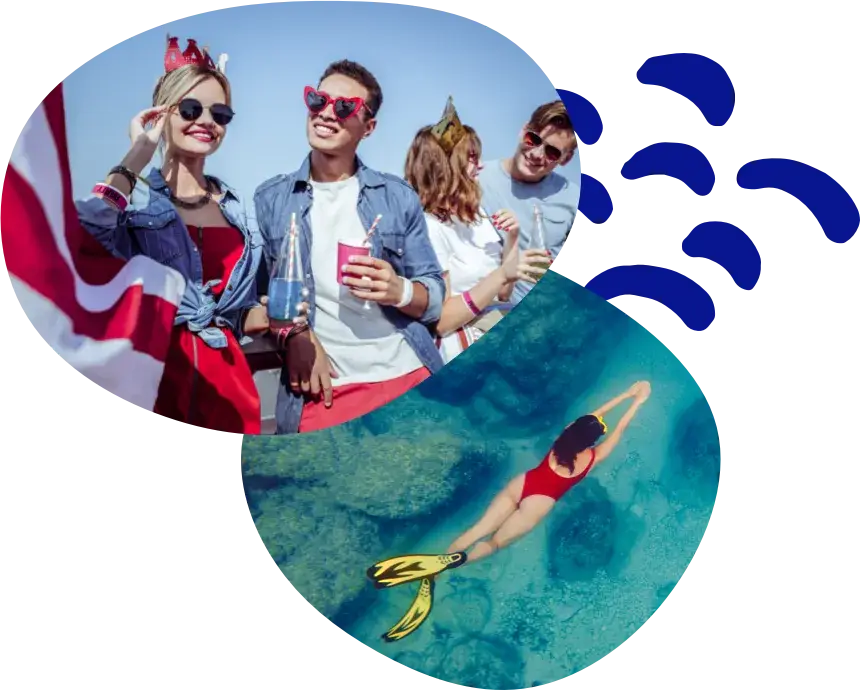
What helps is selling the same boat to more than one kind of customer. Locals rent on weekends. Tourists come in the vacation season. Companies book on weekdays, when your boats are free. And the person who joins a team outing on Tuesday may come back on Saturday with the kids and the dog. Each group finds you in a different place and wants something different from the day.
Nine groups of customers for one boat
- Locals
- Day trippers
- Tourists
- Bargain hunters
- People who dream of their own boat
- Companies
- Parties
- Water sports fans
- Advertisers

For each group, we give you a few ideas you can try this season.
1. Get to know the locals
Locals are your steadiest customers. They live nearby, they come back, and they bring the family that comes to stay. So a chat with the owner of the café on the corner, or with the neighbors on your dog walk, is worth more than it looks.
Advertise close to home
Run small ads on social media and in search, aimed at people within a few miles of your dock. Somebody who searches for a boat rental near your lake on a sunny Friday is ready to book. Put your prices, opening hours and photos on your Google Business Profile, so they see them at a glance. Our guide to your boat rental website has more on getting found.
Give locals a reason to come back
A resident rate or a ride package works well here. In Let’s Book you give locals a discount code for a lower rate. A tourist without the code books at the regular rate.
Be part of the neighborhood
Work with the café, the campground and the B&B down the road, and send customers to each other. Sponsor the rowing club’s regatta or the village festival. Hang out your flag, keep the dock tidy, and give your staff a shirt people recognize. A dock that looks cared for tells people you’ll still be there next year.
2. Reach the day trippers
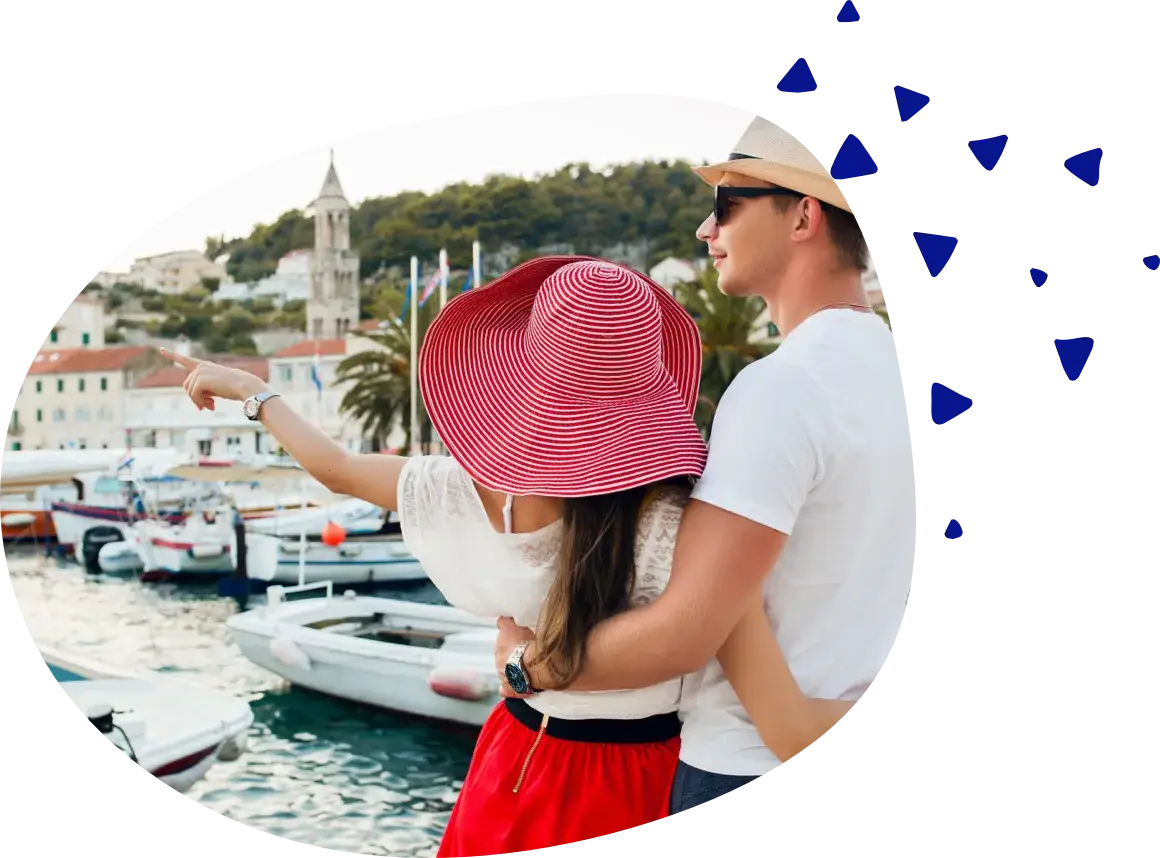
Day trippers come for a few hours, mostly on weekends and holidays. Many decide that same morning and book on their phone. They want to picture the day before they pay for it.
Show the day on your website
Put photos on your site of real customers on your boats: a family with a picnic basket, two couples at the end of the afternoon. Describe a route. Say where to moor for lunch, where the herons fish and how long the loop takes. A day tripper who can see the afternoon ahead books it.
Make it an outing
Offer a picnic basket, a cooler with drinks or a fishing rod as an extra. The customer adds it when they book the boat. So on Saturday morning you know how many baskets to pack.
A guided tour with a skipper works for day trippers too. In Let’s Book a tour gets fixed departure times, with a package price per departure. Ticket sales per seat are coming.
Ask for a review
A happy day tripper leaves a review when you ask at the right moment. Let’s Book sends a follow-up email a day after the trip. Put a button to your review page in that email, and the review comes while the day is still fresh. The boat rental customer journey has more on that email.
3. Attract the tourists
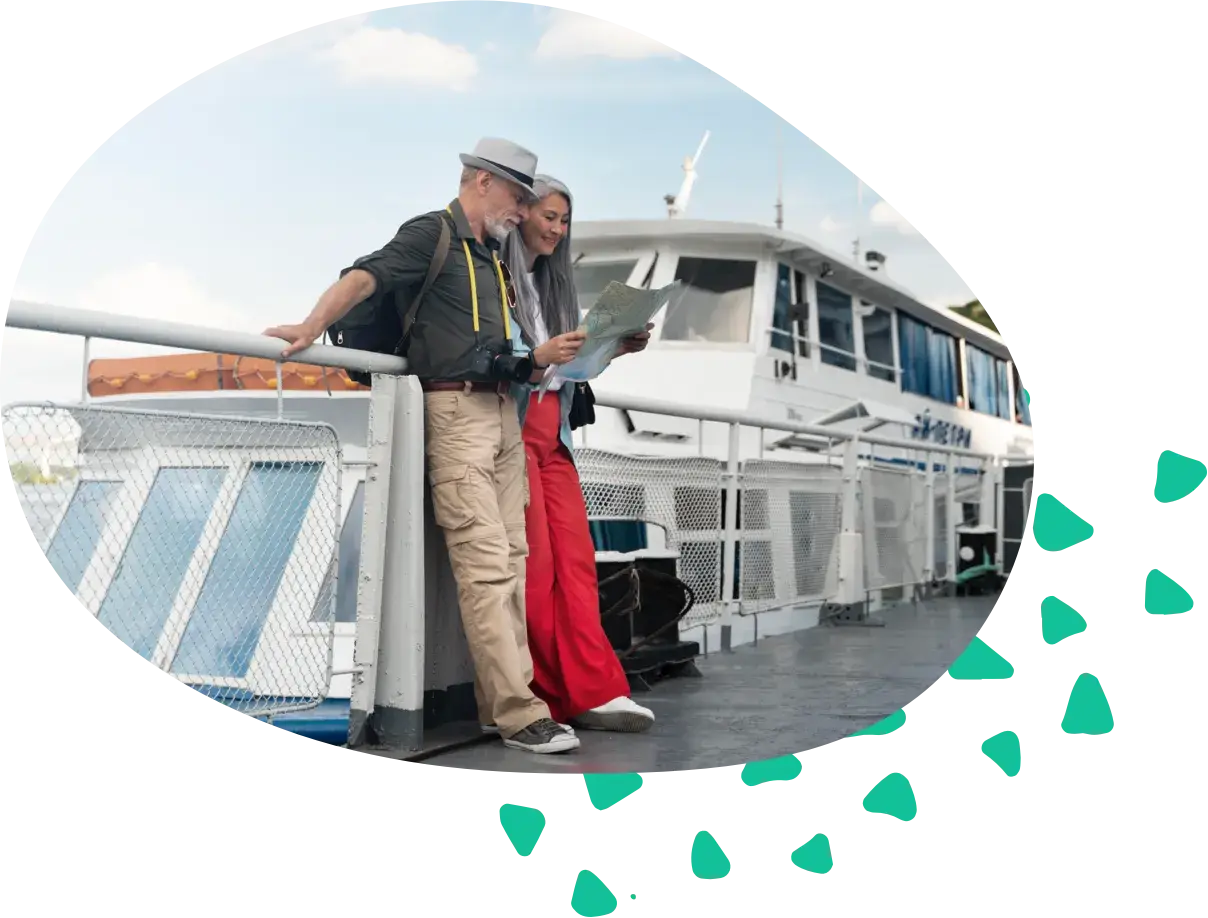
Tourists want to see the area from the water. They often find you through their hotel or on their phone. Give them a route they can follow without asking, in their own language. That’s what gets you the review, and the recommendation to the next guest.
Work with hotels and the tourist office
Ask the hotels, campgrounds and the tourist office nearby to recommend your boats. In Let’s Book each partner gets a booking link of their own, and you see which bookings came in through it. You can also give a partner their own rates. Read more about partner bookings.
Speak their language
The Let’s Book booking form comes in five reviewed languages and five machine-translated ones. Your emails go out in the customer’s language too. For your own leaflets and maps, ask a native speaker to read them first. A translation tool alone makes mistakes that a German or French guest spots right away.
Hand them a route

Give them a simple map with a suggested route, the places to moor and the low bridges. Add the rules on the water and a few local stories about the church tower or the old mill. A tourist with a plan feels more confident on the water and enjoys the trip more.
4. Fill quiet days with bargain hunters
A quiet weekday in May costs you the same mooring fee as a busy Saturday. A lower price on those days brings in people who wouldn’t come at full price. Bargain hunters like a deal, and a boat at the dock earns nothing.
Set prices for the quiet days
Make weekday rates lower, or reward customers who book early or at the last minute. In Let’s Book the price can move with how far ahead the customer books. A discount code can be limited to weekdays, set times or a trip length. So your Saturday in July keeps its full price. Read how discount codes can boost your bookings and the pricing model for your boat rental.
Email the customers who asked for offers
Ask at the dock who wants to hear about offers, and add those customers to your email program. Only email the people who agreed to it. Send them the quiet dates with a short line on why they’re nice: calm water, no line at the dock, a lower price. Let’s Book also sends a win-back email to customers who haven’t booked for fifty weeks.
Post the deal where they look

Share the offer on social media, with a photo of a sunny, empty lake on a weekday. Aim the ad at people nearby. A deal site such as Groupon reaches a bigger crowd, but it keeps a share of the price. If you use one, import its voucher codes into Let’s Book as discount codes, each good for one use.
5. Win over people who dream of their own boat
Plenty of your customers dream of a boat of their own. Owning one means a mooring, winter storage, insurance and maintenance. Renting gives them the same afternoon on the water without any of that. Help them see it.
Offer a membership or a boat club
A membership gives regular customers the feel of their own boat. Think of a lower rate, a members’ evening at the end of the season, or a set number of trips a year. Let’s Book handles memberships with customer types and booking links only members can use. Our article on membership systems for your boat rental goes into more detail.
Write about what a boat costs
Write a blog post or make a short video about what a boat really costs per year. Put it next to the price of ten afternoons with you. Add tips for a good first trip. People who are still making up their mind find you when they search for it.
Show life on the water

Share your customers’ best moments on social media, with their permission, and ask them to tag you. A short clip of the boats going into the water in April does well too.
6. Win business customers
Companies book on weekdays, when your boats are quiet. They come for a team outing, a client event or a meeting with a view. A good first outing often turns into a booking every year.
Work with event planners
Event agencies, team-building companies and business travel agents look for venues all year. Give them a partner link and their own rates, so they can book for their clients. A post on LinkedIn reaches the people who plan the outing.
Make it easy for the office manager
The person who books is often an office manager with a budget and a deadline. Give them a page on your site with the group sizes, a sample program, the price per person and what’s included. Companies often want to pay part now and the rest later. In Let’s Book you ask for a down payment at booking, and the rest before the trip. You can register a bank transfer by hand. You make the invoice for the company in your own accounting software.
Show who came before
Ask a company that had a good day for a short quote with their name. Put it on your page for companies. A name the reader knows reassures them faster than any description.
7. Host the parties
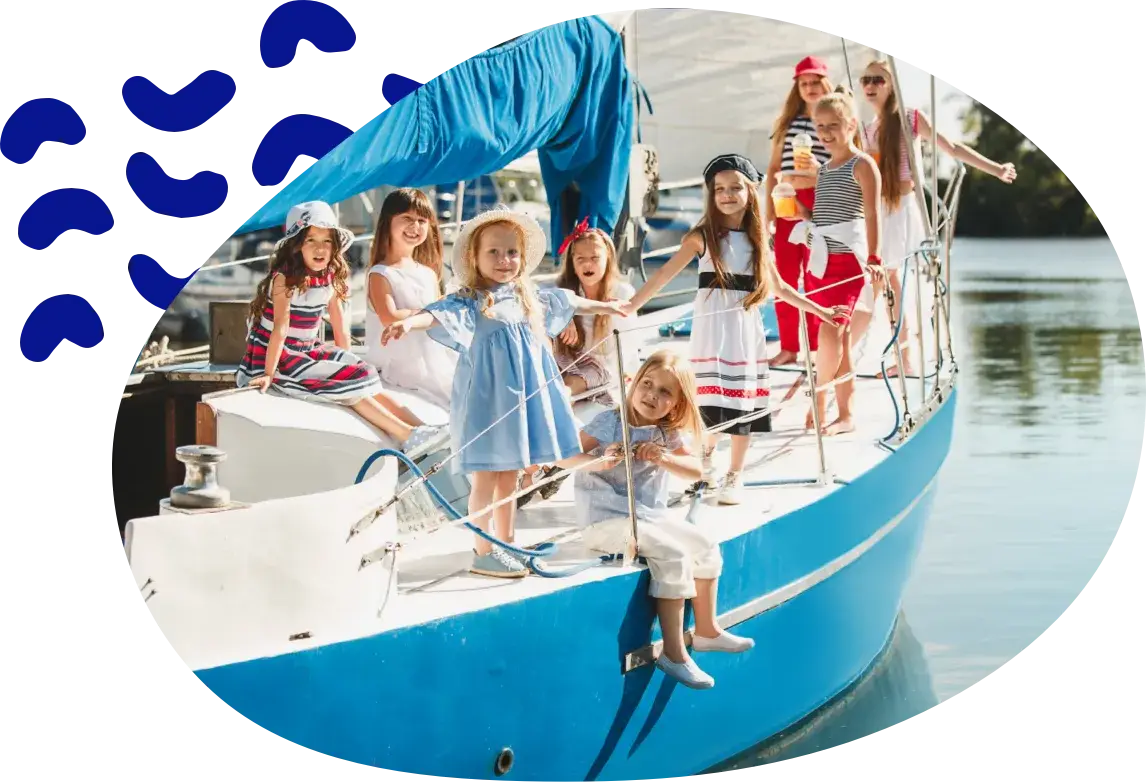
A birthday, an anniversary, a bachelor party, a wedding reception on the water. People plan these weeks ahead and want a day they’ll talk about for years. On a boat the view changes all evening, which no party room can offer.
Sell a party package
Put together a package with food, decorations and music, ready when the guests step on board. Work with a local caterer and agree on a price per guest. In Let’s Book the customer adds the package as an extra when they book, so you know what to order. Offer a skipper as well, so nobody at the party has to steer. Our guide to profitable add-ons has more ideas.
List your boat where people plan parties
Put your boat on the websites people use to find a party venue. Show photos of a real party on board, say how many guests fit and what the package costs.
Invite the people with a following
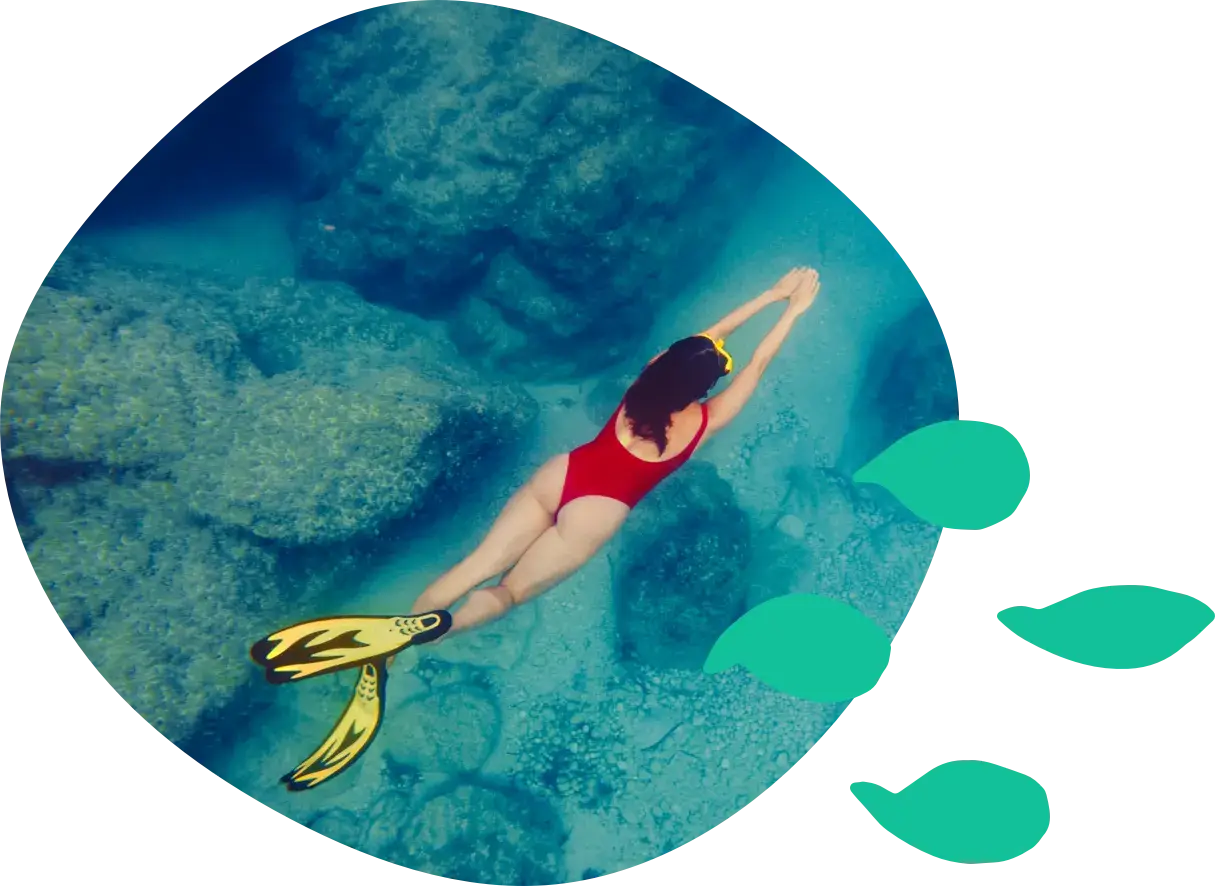
Invite a wedding planner or a local creator with a following for an evening on your boat. When they share it, their followers see your boat at its best.
8. Bring in the water sports fans
If your water allows it, offer fishing trips, waterskiing, wakeboarding or snorkeling. It brings in a new group: sports fans and outdoor clubs, who come for the activity as much as the boat.
Safety is what they check first. Say which gear you provide, who guides them and what they need to know before they go. For a sport with some risk, have the customer sign a waiver. Let’s Book connects to WaiverForever, so they sign it on your own WaiverForever account before they arrive. Read more about waivers.
A page for each sport
Give each sport its own page on your website, with what’s included, the level needed and the price. Use sharp photos and a short video of a real day.
Post the action
Instagram, TikTok and YouTube suit water sports well. Post short clips of your customers on the water, and aim your ads at local sports clubs and outdoor groups.
Work with local experts

A fishing guide, a wakeboard instructor or a snorkel teacher who knows your water makes customers feel safe. They also have followers of their own, and they tell them where they teach.
9. Rent the boat to advertisers
Everybody on the waterfront sees your boat. A local brewery, a festival or a new shop may pay to be seen there too. Think of a banner on the side for a season, a product launch on deck, or a sponsored tour with their name on it. Ask your municipality or the harbor master first whether advertising on the water is allowed. The deal brings in money on days the boat would sit still, and people see your name too.
Start with one group
You don’t have to try all nine at once. Pick the group that fits your boats and your location best, and try one idea this season.
Booking software for boat rental, tours and charters.
This article is from Let's Book, the software that lets your customers book and pay on your own website, and puts every boat on one planning. Made by people who rented out boats themselves.
Carry on reading
More direct bookings for your yacht charter, less commission
How a charter with one to five boats in Greece or elsewhere in the Med gets more guests to book direct, and keeps the commission a broker would take.
How to price a day charter in Greece and the Mediterranean
How to price a skippered day charter in Greece and the Med: half day, full day or sunset, the boat, fuel, extras, the season and the meltemi.
Charter management for 1 to 5 boats, from message to payment
How a charter company with one to five boats in the Mediterranean runs the season: one calendar, the down payment, the contract, the galley and the wind.